
Patterns in Music for Kids with Simon Sloth

Join Simon Sloth as he discovers patterns in music! Learn how composers use repeating rhythms and melodies to create memorable songs. Then, try some listening, movement, and composition activities to create musical patterns of your own.
What Are Patterns in Music?
Have you ever noticed that some parts of a song repeat? Maybe you hear the same rhythm over and over, or a melody comes back several times.
Patterns help us recognize, remember, and organize musical ideas. Composers use them to make music interesting and give listeners something familiar to recognize.
What is a Musical Pattern?
A musical pattern is an arrangement of sounds, rhythms, or notes that can be repeated or changed.

Rhythm Patterns
Rhythm patterns are combinations of sounds and silences organized in time.
Clap this four-beat pattern:

Now repeat it!
What happens when you repeat the same rhythm? Does it become easier to remember?
Activity 1: Simon Says, Repeat That Rhythm!
- Your teacher claps a four-beat rhythm.
- Listen carefully and repeat the pattern.
- Repeat the same pattern several times.
- Give each student a turn to create their own body percussion pattern.
Melodic Patterns
A melodic pattern is a series of pitches that repeat or follow a recognizable arrangement.

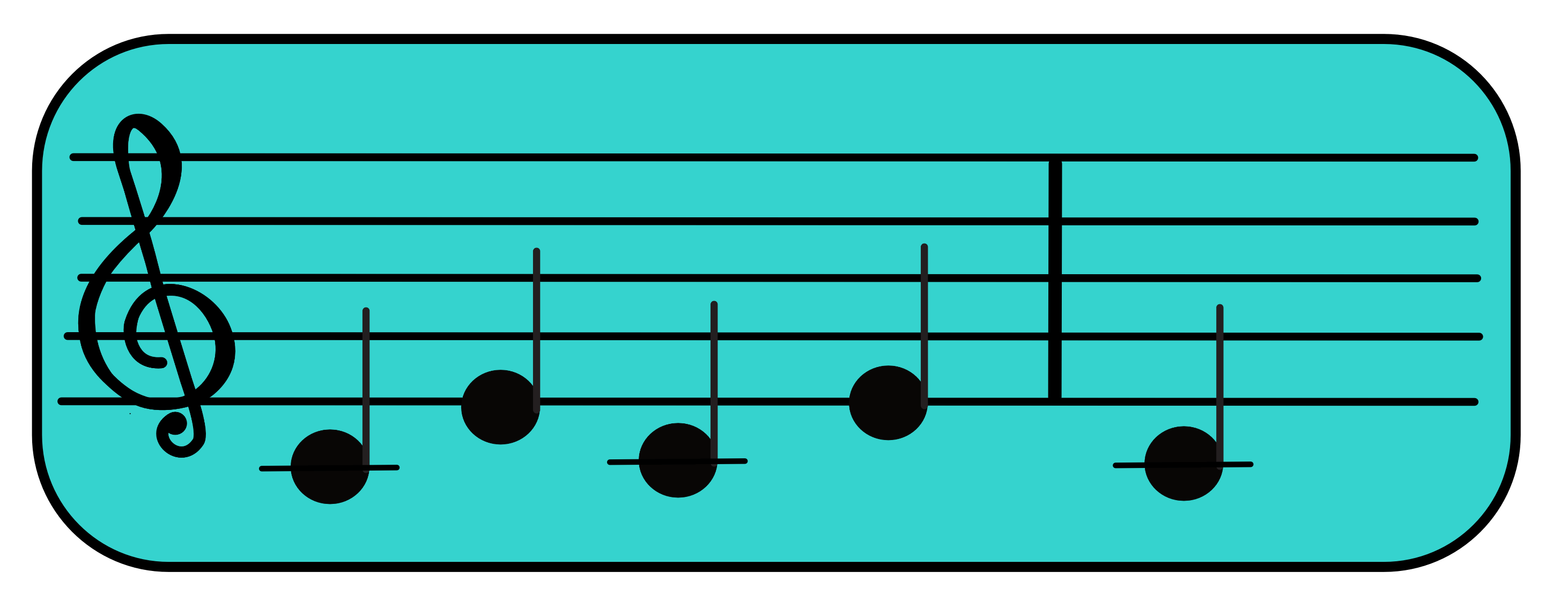
Melodic patterns may move higher, lower, or stay on the same pitch. They can also change slightly each time they return.
Activity 2: Follow Simon’s Melody

Using a xylophone, keyboard, percussion, or your voice:
- Pick a student to create a pattern on their instrument.
- If on a pitched instrument, have the student say the letters aloud as they play.
- Let students repeat the pattern on their own instrument.
What Is an Ostinato?
An ostinato is a short musical idea that repeats throughout a section of music. It can be a rhythm, melody, or bass line.
Try performing this rhythm repeatedly:
Clap – Pat – Clap – Rest
Keep the pattern going while another student sings or plays a melody.
You’ve created a rhythmic ostinato!
Activity 3: Build a Classroom Ostinato
Divide the class into three groups.
- Group 1: Clap a four-beat rhythm repeatedly.
- Group 2: Add a different four-beat pattern using body percussion.
- Group 3: Create a short melody to perform while the other groups continue.
Listen to how the patterns fit together.
Can everyone keep their pattern going without losing the steady beat?
What Is a Musical Sequence?
A sequence happens when a melodic idea is repeated starting on a different pitch.
For example, a musician might play C–D–E and then repeat the same melodic shape higher using F–G–A.
The pattern sounds familiar, but its pitches have changed.
Sequences help composers develop musical ideas without simply repeating the same notes.
Listen for Musical Patterns
Let’s listen to an example from music history!
Johann Pachelbel’s Canon in D features a repeating bass pattern while the upper melodies develop and change.
As you listen, see if you can identify the recurring bass line.
- Can you hear the repeated musical idea?
- What changes while the bass pattern continues?
- How does the repetition help hold the music together?
Activity 4: Create Your Own Musical Pattern
Now it’s your turn to become a composer!
- Choose four beats for your rhythm pattern.
- Write the rhythm using music notation or symbols.
- Perform your rhythm twice.
- Change one part of the pattern.
- Perform your original and changed patterns for the class.
Challenge: Combine your pattern with a partner’s pattern to create a longer musical idea.
Check Your Understanding
- What is a musical pattern?
- How are rhythm patterns and melodic patterns different?
- What is an ostinato?
- What happens to a melodic idea in a sequence?
- Why do composers use repetition?

Play a Fun Music Pattern Game with Simon Sloth
Continue Learning with Simon Sloth
Ready to learn more about writing music?
Explore Simon’s Melody Lesson and discover how notes move.
Then visit Simon’s Musical Form Lesson to learn how composers use larger sections to organize their music.