
Tag: music education
-
How Piaget’s Theory Can Help Build Effective Strategies for Teaching Rhythm and Timing in Elementary

Before I taught in the music classroom, I had been a private voice and piano music teacher for all ages. After more than a decade of teaching, I began to realize there were certain ways I had to adjust my teaching style for each age group. Older students struggled with different topics than younger students. Read more
-
The Value of Teaching Improvisation Skills in Music Education
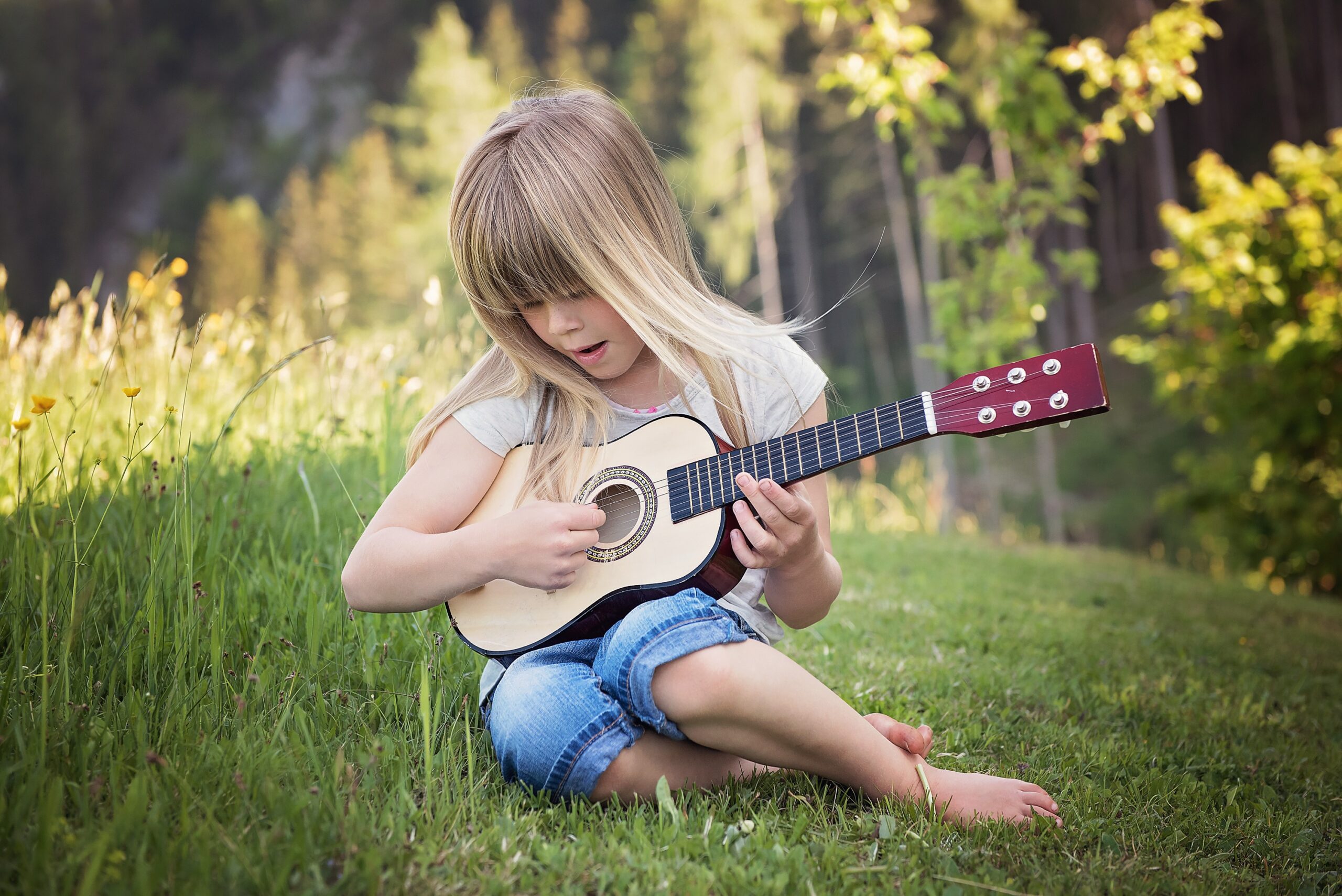
Improvisation, the ability to create music spontaneously, has been esteemed as an important musical achievement for many centuries. From classical composers like Bach who could improvise four-part fugues on a whim to jazz greats such as Louis Armstrong who brought improvisation to the mainstream, improvising has been the hallmark of a great performer and musical Read more
-
The Impact of Music Education on Self-Esteem
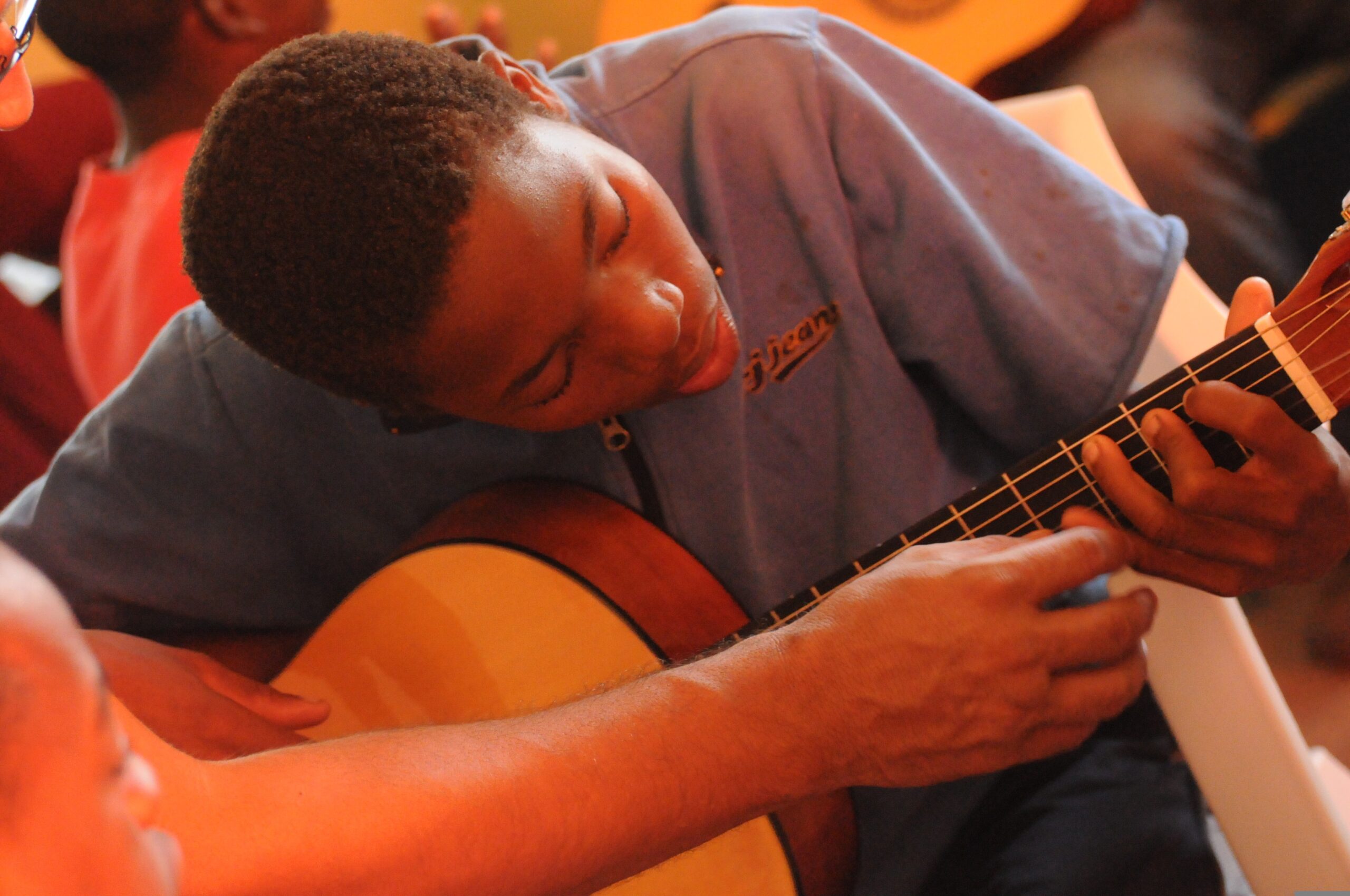
As music educators, inspiring others to learn and appreciate music can be very rewarding. Music teachers bring the “gift of music” and with each day, they often see for themselves the impact music has on the lives of their students. The confidence, sense of accomplishment, and so many other positive outcomes not only inspire students Read more
-
Fostering Creativity and Expression Through Songwriting in Elementary Music
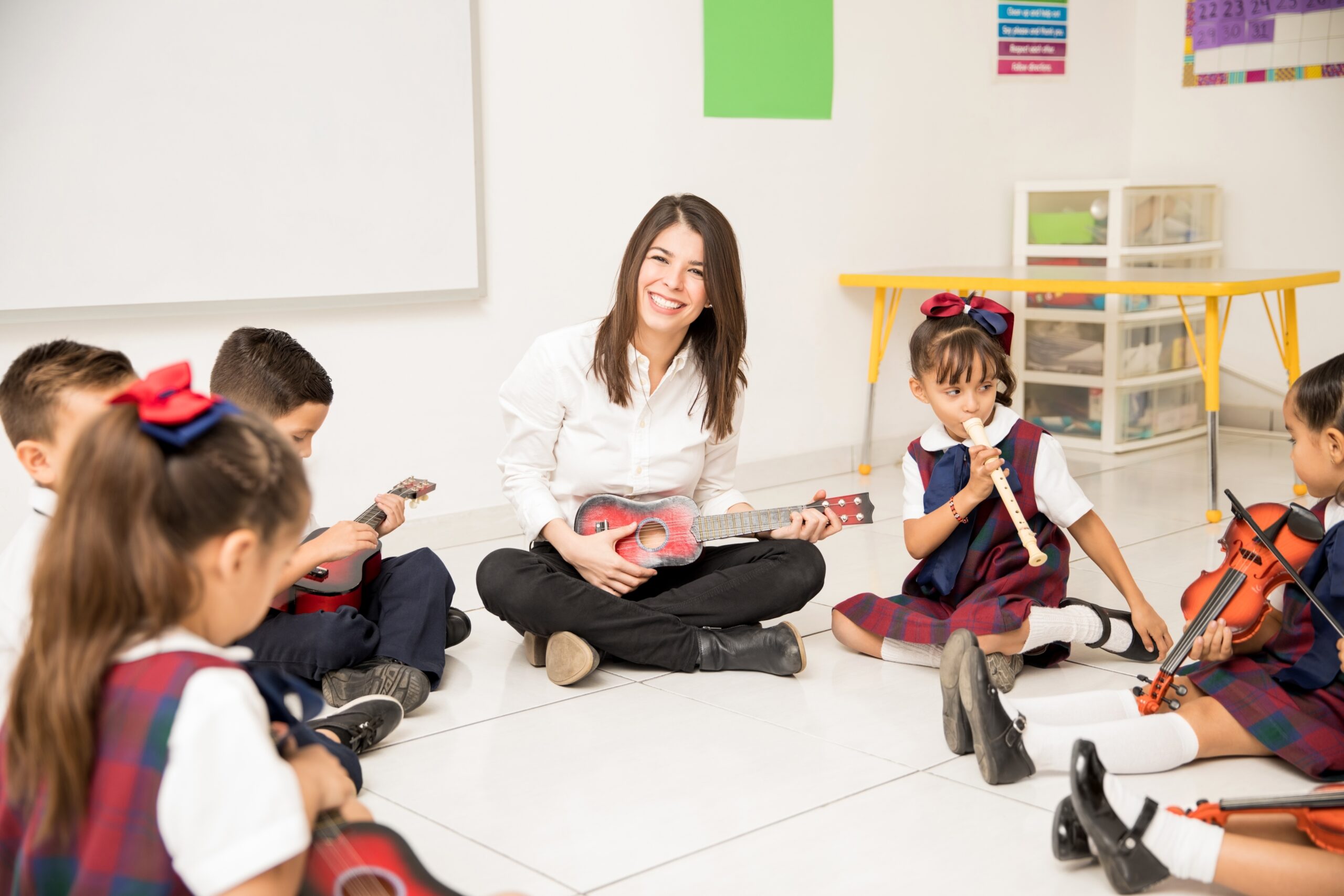
Songwriting has always been dear to my heart. As a child, it was a way for me to express a snapshot of my feelings through sound and lyrics I couldn’t quite speak verbally. I used to write a song and then eagerly discuss the meaning with my parents. They would of course, shower me with Read more
-
Teaching Music to Students with Down Syndrome or Cerebral Palsy: Best Practices
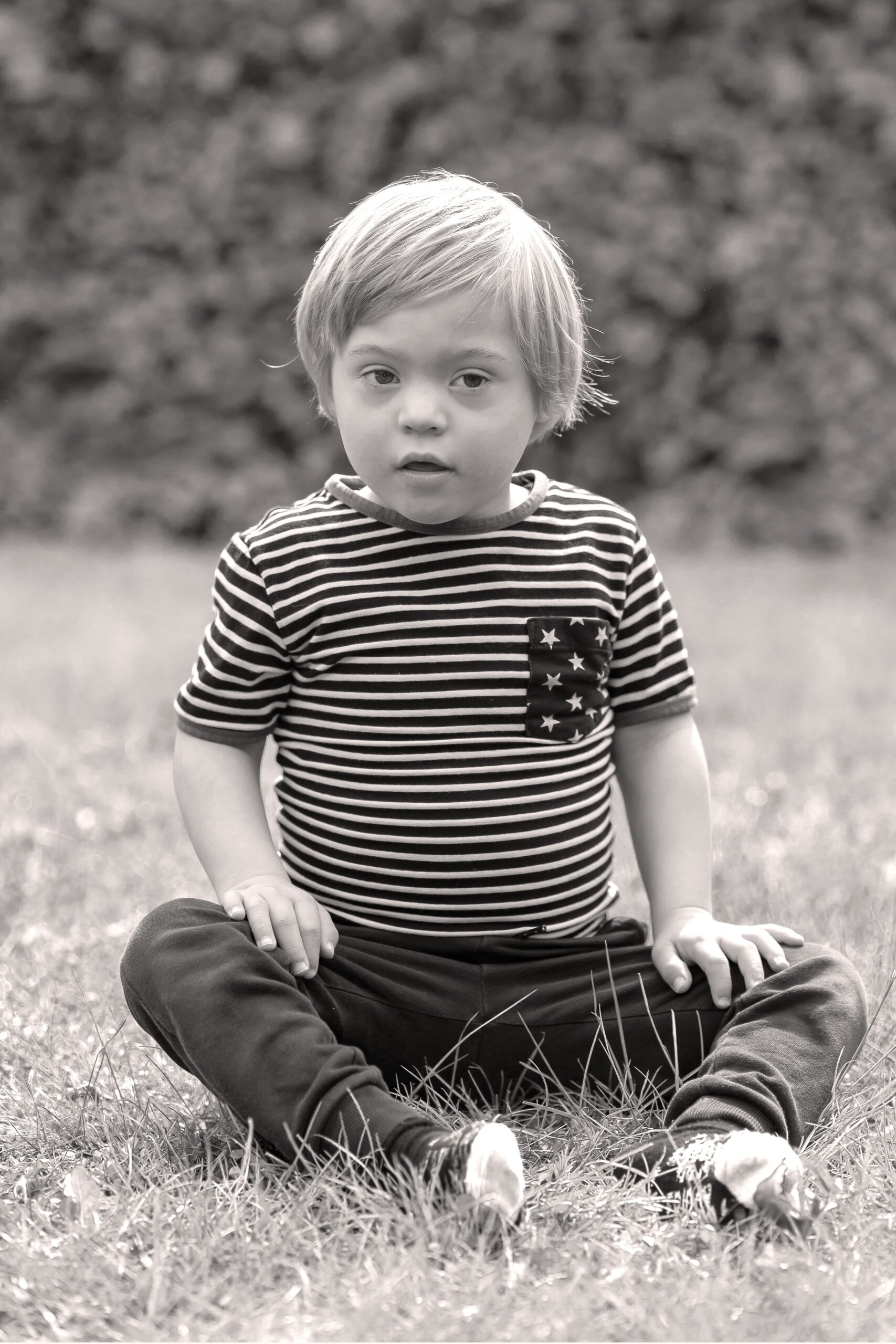
How to Teach Music to Down Syndrome and Cerebral Palsy Students: Best Practices One of my favorite times teaching was when I was teaching music at a school which was the main school for kids with learning disabilities in the county. They bused in students from all over the county to specifically attend ESE (exceptional Read more
-
How to Deal with Music Teacher Burnout

Sometimes I describe teaching as learning how to stand in the middle of chaos and be perfectly calm. Just having the sound of the classroom and music going on for almost eight hours a day would be enough to send a normal person into the insane asylum. All jokes aside, it’s extremely important to learn Read more
-
Activities for Teaching Melody to Preschool and Elementary Music Students

Activities for Teaching Melody There are many activities for teaching melody to preschool and elementary students that can help them grow a music appreciation, visualize a relatively abstract and technical definition, and have fun, too! The possibilities for creativity are endless. Here are some of the activities that have worked in my classroom. What is Read more
-
How to Be a Great Vocal Performer

The first time I went “on stage” was when I was seven-years-old. It wasn’t even a performance, but a piano concert rehearsal. I was told to go on stage and play my song “Fur Elise” in front of all my teacher’s other students and their parents. I was so nervous that I forgot the whole Read more
-
How to Teach Repeats, Steps, Skips, and Leaps in Music

Teaching about repeated notes, steps, skips, and leaps is fundamental to students learning to read music notation. The better they can recognize repeated notes, steps, skips, and leaps, the easier it will be to sightread music later and to understand the basics of melodic composition. Here are some of my favorite ways to teach about Read more
-
Ear Training Activities For Elementary Music
Developing an ear for music is an essential component of music mastery. It enables musicians to create music spontaneously, create melodic and harmonic lines that fit into the music, adjust intonation, transcribe a favorite tune, or even write down their own music composition. With the rise of YouTube, I see trends in music classes where Read more
-
The Importance of Music Education in Mental Health Support
Music is a powerful thing. Music has been a conduit for societal change, a crutch to lean on at humanity’s darkest moments, and a tool for personal and emotional growth for not only musicians but listeners as well. This article will detail the importance of music education in mental health support. Music can be a Read more
-
Empowering Student Voice: Incorporating Student-Led Activities in Music Lessons

During recent years, there has been a trend in education to create more student-led classes and learning environments. Teachers are able to play with different seating arrangements and furniture styles to create a more relaxed learning environment that suits individual learning styles and personalities. Traditional lecturing has been traded for more hands on learning approaches. Differentiated learning Read more
-
Using Music as a Tool for Conflict Resolution and Peace-Building in the Music Classroom

In 1938, there was widespread prejudice and segregation of whites and people of color in America. Yet, in the midst of this conflict, Benny Goodman created the first band including people of mixed races performing for a paid audience together. Many musicians followed his lead, showing others that music doesn’t depend on race, but can Read more
-
Building Community Through Music Education Programs

It is often plain to see how music educators effect their students in positive ways. Learning music can build confidence, help with social skills, be a healthy creative outlet, and have many more unspoken benefits. We see the countless benefits of music teachers every day. A music program can also benefit the surrounding community. This Read more
-
Inclusivity: Reaching Every Student in the Music Classroom
It doesn’t take long for music educators to realize their classrooms are merely small subsets of this large and diverse world. Each student brings with them their own cultural and life experiences, unique personality, and needs. Modern education is trending towards helping teachers find more inclusive practices overall. This article will discuss some of the Read more
-
Fun Ideas For Teaching Music Tempo in the Elementary Classroom
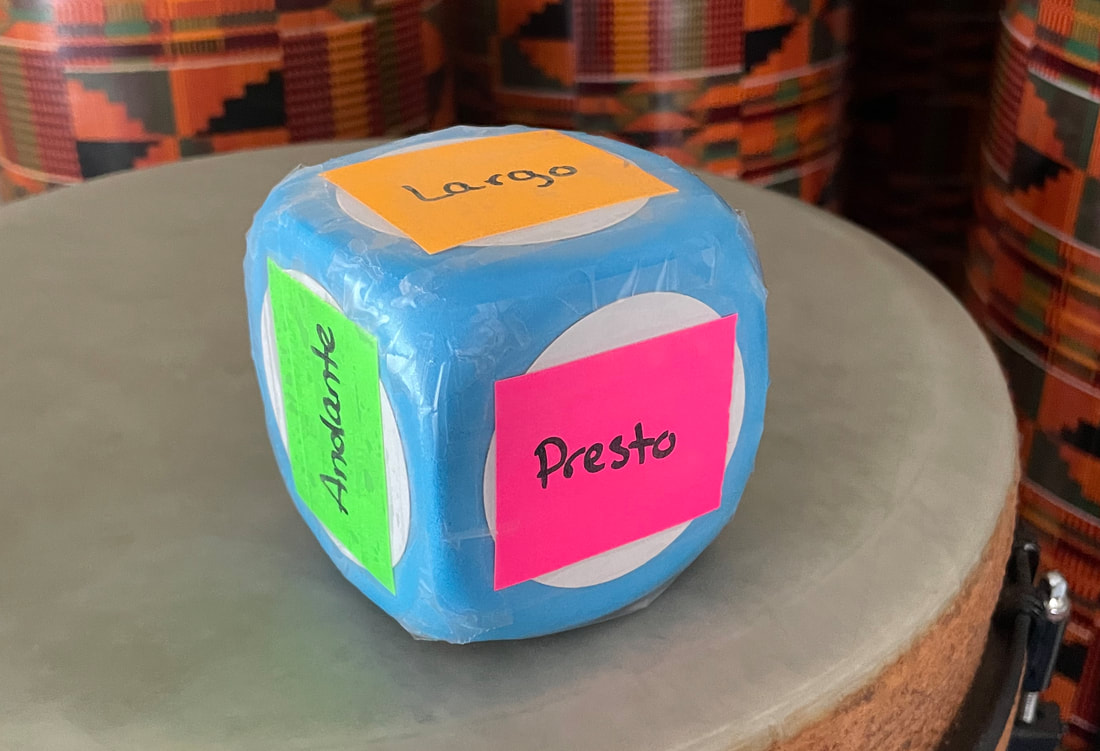
Tempo Dice Kids love to take turns rolling the dice in this fun tempo music activity. You simply sit students in a circle and pass out a small percussion instrument to each one. Remember to go over rules before you pass out instruments. I bought a large foam dice from the Dollar General and wrote Read more
-
Kodály Versus Orff Rhythm Syllable System
When I first started teaching elementary music, I was adamant about teaching children the correct names of music notes along with their durations expressed just how I know them as an adult musician. I didn’t fully understand the benefits of other rhythmic syllable systems and found them a waste of time. Why not teach a Read more
-
5 Fun Elementary Music Choir Warm Ups
There they are. Twenty-five students all lined up and staring wide-eyed at you. You know you need to warm them up, but are afraid this will be the “boring” part of the lesson. Don’t give up on warm ups yet! Here are five elementary music choir warm ups kids love. I’ve compiled and tested these Read more
-
How to Create a Great Elementary Music Lesson Plan in 10 Steps
Going back to class can be daunting after a long summer break. Elementary class is filled with miraculous moments of children coming together in beautiful harmony, learning that Christmas concert song just in time, or giving you a fond smile as they hand you a handmade gift with a note that reads, “Best Teacher Ever.” Read more
-
Why is Music Theory Hard?
I remember going to college for my BA and being forced to take the general requirements for music theory. I had taken all the theory classes at the community college level so I could transfer out of theory at the upper level, only to get partial credit on my entrance test and have to repeat Read more
-
Rhythm Music Center Activities for Elementary Students
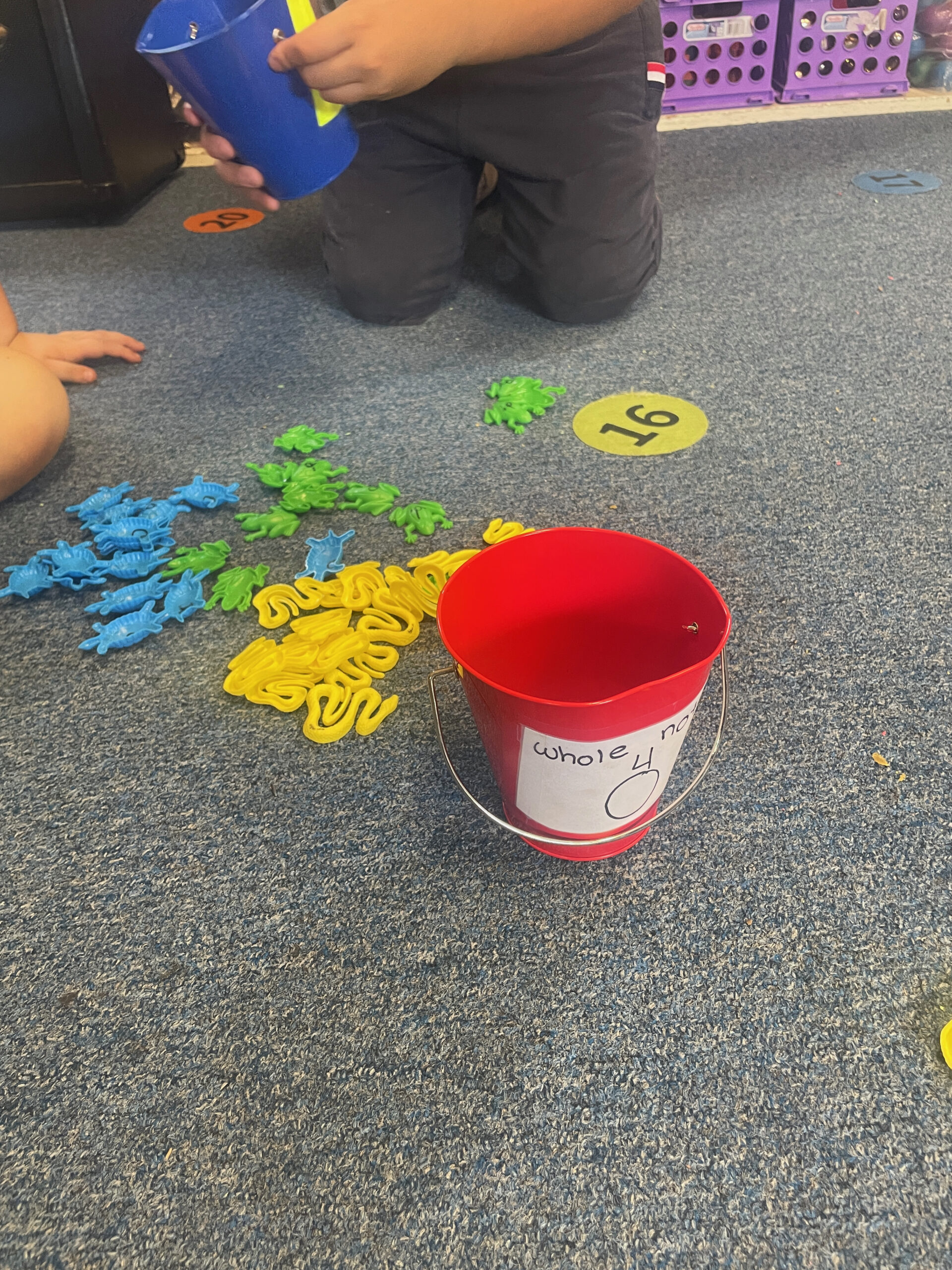
The great thing about teaching elementary music is that kids love to have fun. There are so many fun ways to teach music to children. Let their imagination and yours run wild. Here are some of my favorite rhythm music center activities to do in the classroom. Beat Ball In this music game, students in groups Read more
-
3 Strategies for Effective Music Lesson Planning

Lesson planning can be a daunting task, especially when you have to share your plans with Admin, and they are looking for certain things. Some schools want you to list the state standards in the lesson plans. Some schools use programs like the IB program (a program that encourages students to be active learners and Read more
-
Winter Concert Ideas for the Music Classroom

It seems like we are just coming back from summer break and already anxiety over the Winter/Christmas Concert is looming. After a few years, it gets more difficult to pick songs your students haven’t performed yet, and so begins the internet search. Or you’ll get that kid who says, “Teacher, we performed that in 2nd Read more
-
Ten Things to Check During the Concert Dress Rehearsal
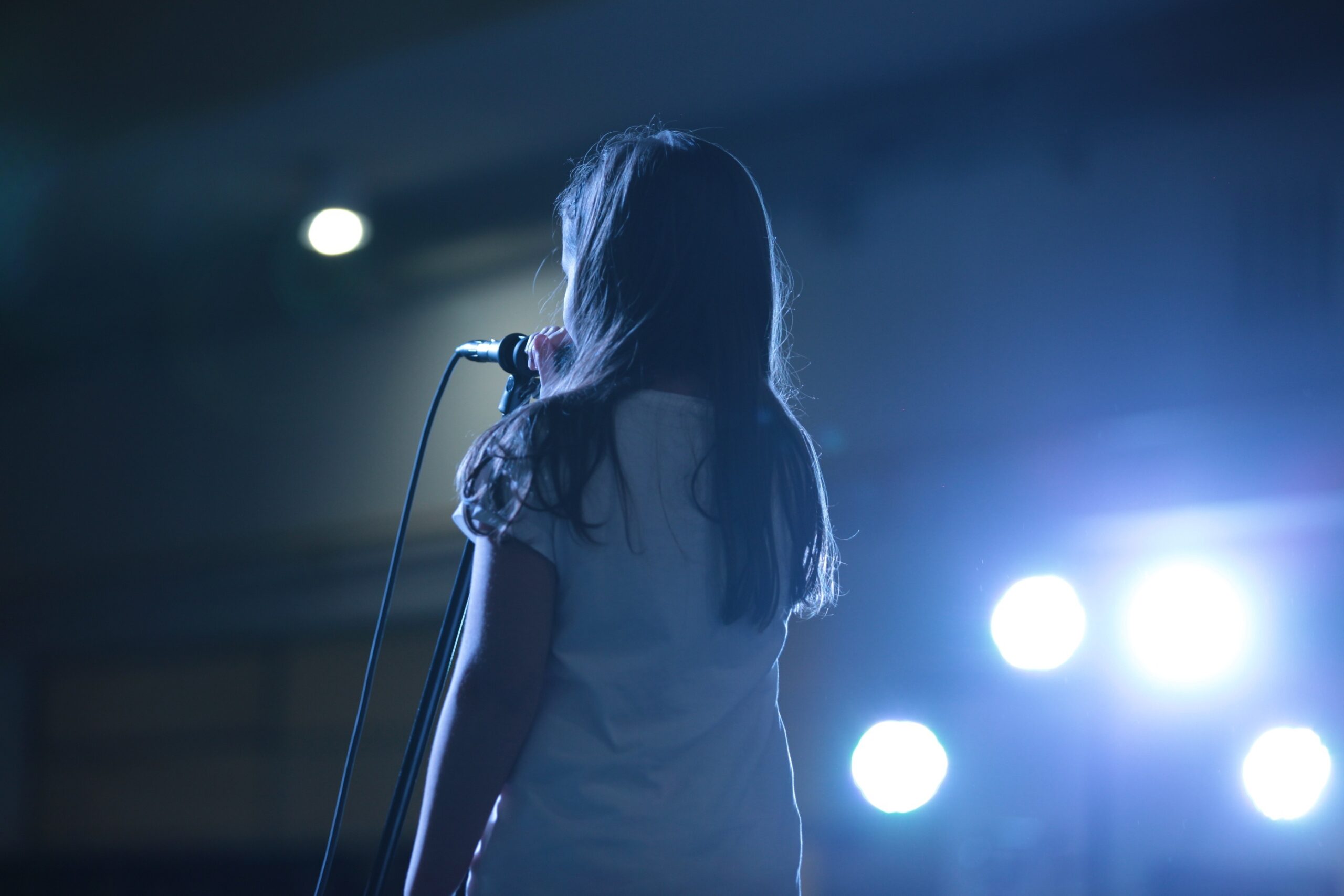
Concert season is here and it’s time for the dress rehearsal. It’s easy to obsess about the musicality of your upcoming performance. Yet, there are so many other things to remember that go into a good show and make everything run smoothly. Don’t forget to check these concert to-dos. 1. Don’t forget to tune Everything was Read more
-
Exploring the Benefits of Music Education for Early Childhood Development
For many years, educators have stressed the importance of music education for childhood development. Numerous studies have been done over the years to prove the connection between social emotional, intellectual, and motor skill development in children who are exposed to music in early childhood. This article examines the benefits music education offers for early childhood Read more
-
Incorporating Technology into Music Education: Tools and Strategies
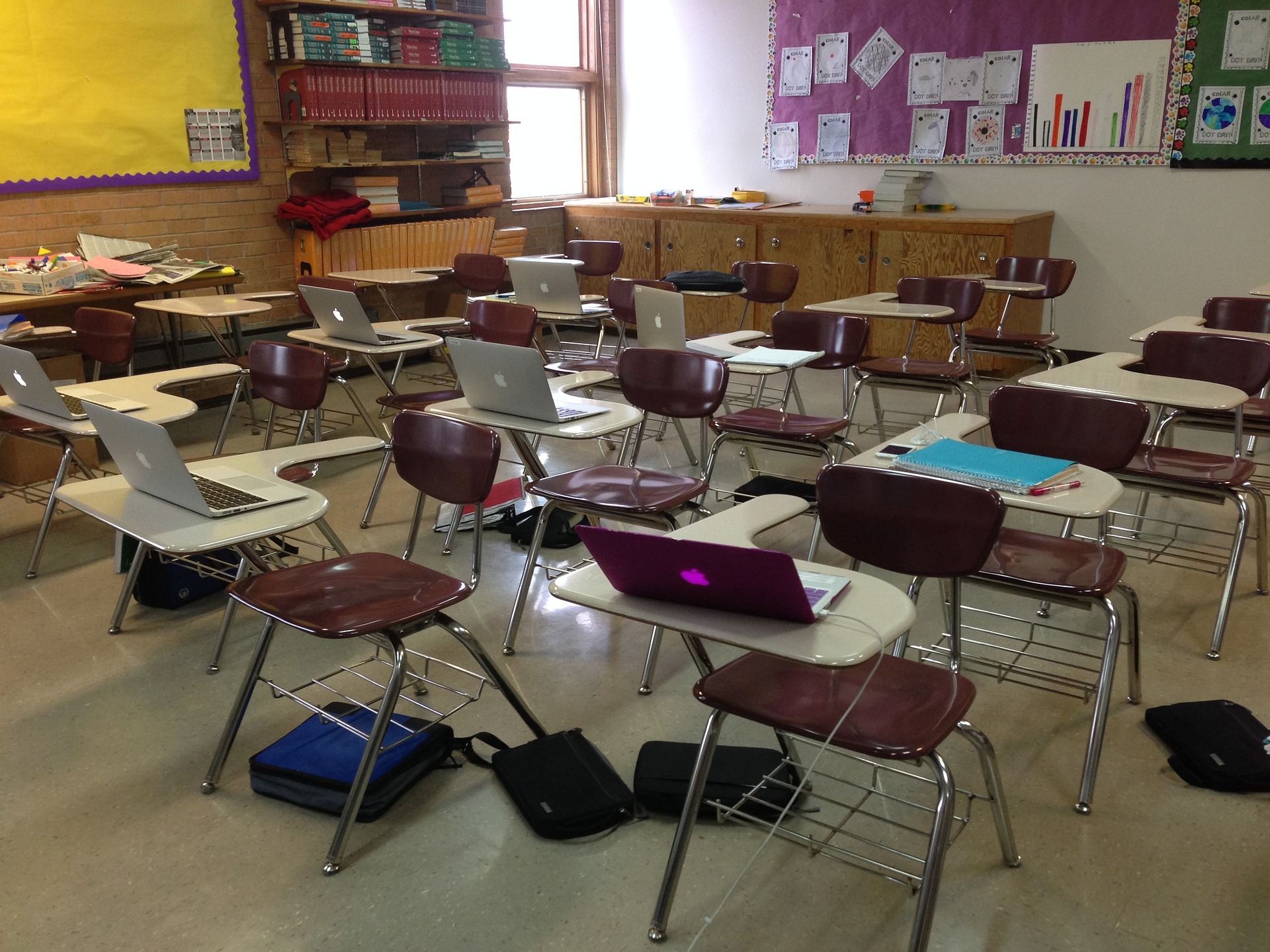
Children are growing up with technology in a way most of us could never fathom when we were young. Even doctor visits and interviews are commonly held on Zoom. People regularly work from their home computers. It may sometimes feel daunting to try to figure out the best way to incorporate this new technology into teaching Read more
-
How to Include Cultural Diversity in Your Music Education Curriculum
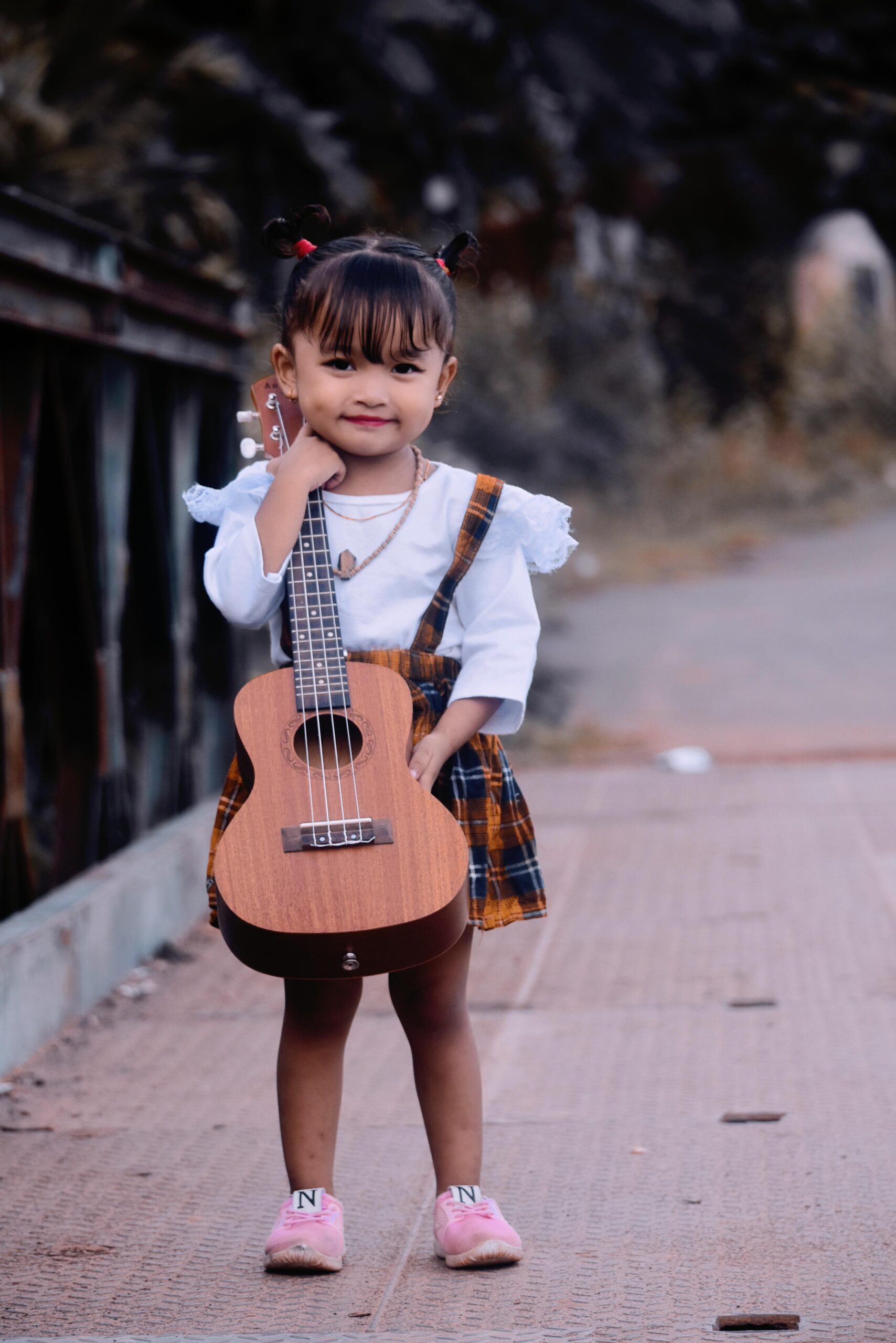
They call music the “Universal Language.” Music goes beyond cultural and language barriers, speaking to us emotionally as human beings. Music paints an auditory picture of a moment in time that encapsulates our rich history, culture, feelings, opinions, and many other subtle details of a cultural experience that enable its listeners to appreciate and understand Read more
-
Creating a Positive Learning Environment in the Elementary Music Classroom
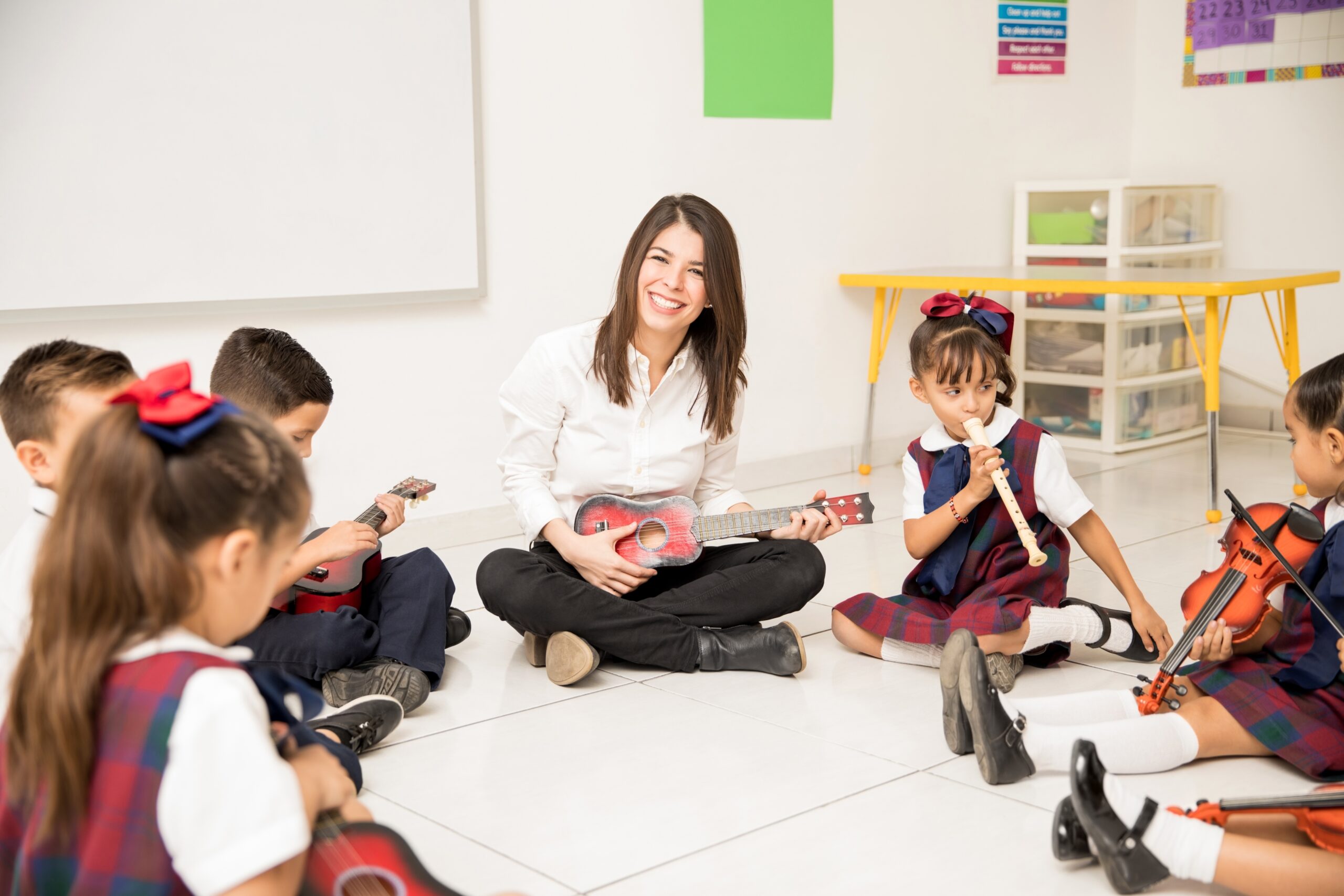
“What’s my rule?” Their faces looked perplexed. Come on now. I’ve said it a thousand times. I turned to the whiteboard and drew a bee and a smiley face. “Bee Positive!” A child hollered out as she remembered. “Yes!” A classroom can quickly go from a healthy learning environment to a negative one when even Read more